
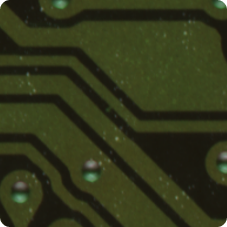
 Comparison
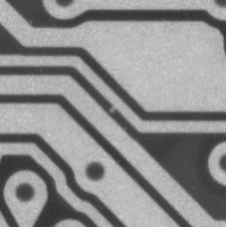 Comparison
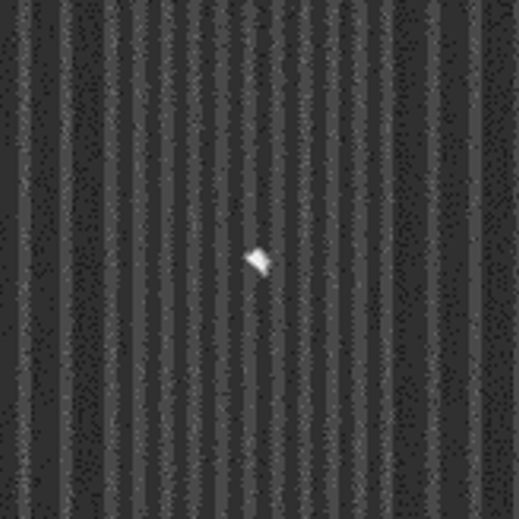 Comparison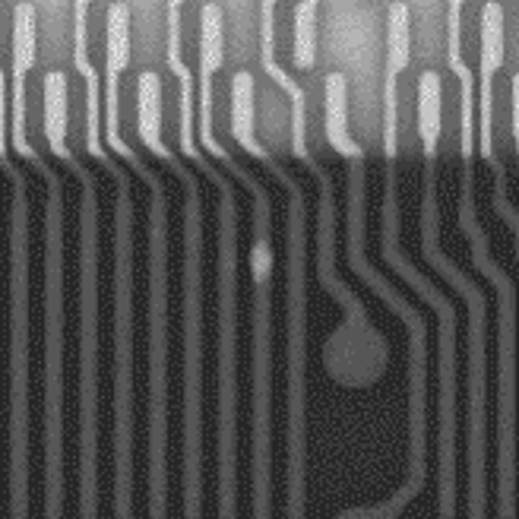
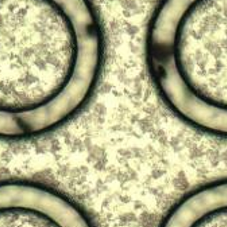 Comparison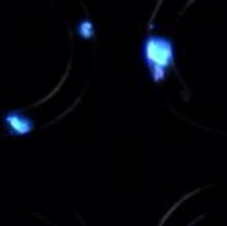
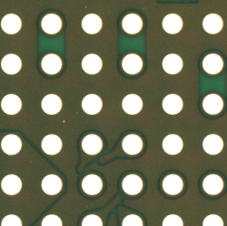 Comparison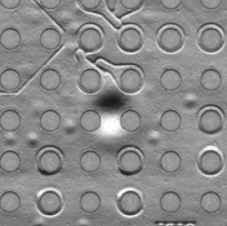
Compared to mono images, color reveals richer differences in hue and texture, improving defect discrimination and operator readability.
Detects defects difficult with standard illumination alone—such as DFR residue, Open/Short beneath SR, and dent defects.
Inspects critical areas that rule-based inspection alone cannot cover.
Generates inspection regions from ODB++, Gerber, and Golden Board data, classifies Bump / Metal / SR / Pattern / Via regions, and enables detailed segmentation and inspection settings per region.
Uses AVI defect images directly for classification, measurement, overkill reduction, and final OK / NG judgment.
High-magnification multi-layer image capture enables precise re-check of only hard-to-judge defects and provides 3D view.
CAM / NAS / DB-based central management speeds rollout across machines of the same model and reuse of similar models, reducing per-equipment recipe tuning time.
Centrally manages defect judgments, spec status, defect trends, and statistics across all inspection equipment.
Main panel mass-production inspection platform performing color image-based defect detection.
Product line optimized for strip, unit, and tray-based package appearance inspection.
Uses AVI defect images directly for overkill reduction and defect classification.
Re-confirms only hard-to-judge defects with high-magnification All-in-Focus imaging and Pseudo 3D View.
Centrally manages CAM / NAS / spec database to speed model rollout and cross-equipment deployment.

Critical areas and irregular defects are inspected using AVI / AFVI images and CAM data; overkill patterns are learned and linked to IVS / ICS workflows for final judgment.

Process-specific color inspection images enable fast training and horizontal rollout.

An AI system usable in the field for both inspection and filtering.

Links rule-based inspection, AI inspection, and operators to suppress NG escape risk and reduce operator dependency.
Color images and multi-wavelength optical options provide more defect cues for both operators and AI, depending on defect type.
Combines IVS, AI filtering, and ICS in stages to achieve precise review without NG defect escape.
Central management through Pixel Master speeds rollout across machines of the same model and dramatically reduces per-equipment recipe tuning time.
AI inspection for critical areas detects defects that rule-based inspection alone cannot catch.
Defects with high visual dependency—such as dent defects—can be detected with PIXEL specialty optics.
 Pattern, contamination, SR-related defect detection